Basic Techniques for Jewelry Making
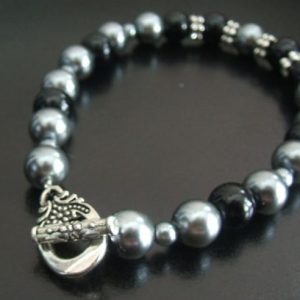
How to Use Beading Wire for Stringing Beads Into Jewelry
Learn how to make easy beaded necklaces and bracelets with beading wire like Acculon and Soft-flex.
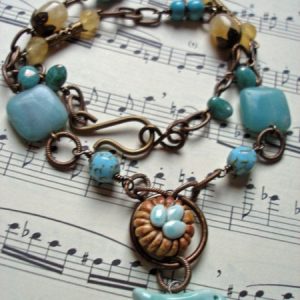
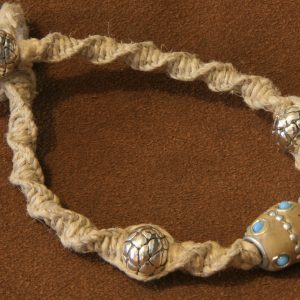
How to Make Hemp Jewelry
Hemp macrame jewelry is easy to make doesn’t require a lot of extra tools. Learn how to make flat and spiral weave, how to add beads, and how to finish your necklace.
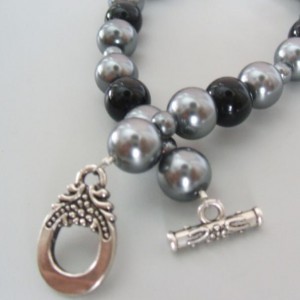
How to Add a Clasp Using Crimp Beads
Create a polished finish for your beaded jewelry by using crimp beads to add your clasp.
What Supplies Do I Need to Make Jewelry?
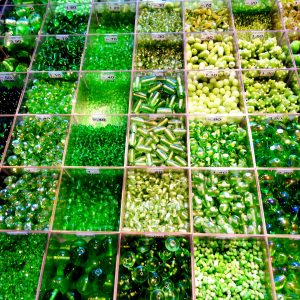
Beading on a Budget
Beading as a hobby can quickly add up. Here are some strategies to save money without sacrificing quality.
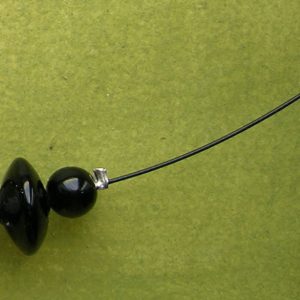
Bead Stringing: What Supplies Do I Need?
Supplies for stringing beads with thread, beading wire, and cord.
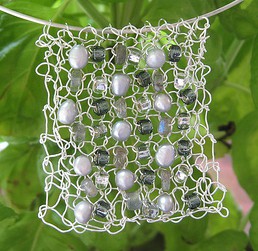
Wire Jewelry: What Supplies Do I Need?
Learn what supplies are needed for making jewelry with wire.
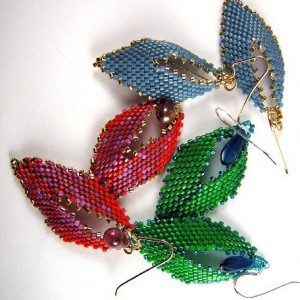
Beadweaving: What Supplies Do I Need?
Supplies needed for beadweaving, for both on and off-loom techniques.
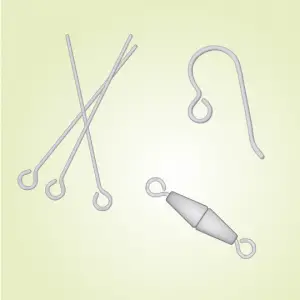
What Are Jewelry Findings?
Findings are small components used to make a collection of beads into jewelry. This includes clasps, headpins, jump rings, bead tips, crimp beads, and more. Usually these are metal, but they can also be made of wood, stone, or other materials.
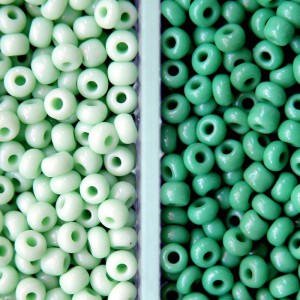
What Types of Beads are Used to Make Jewelry?
Beads are the foundation of making beaded jewelry–here is an introduction to common bead types.
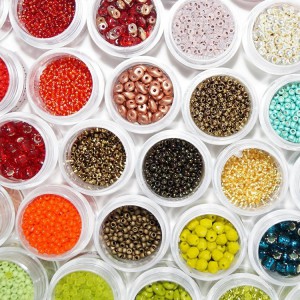
How to Organize Bead Supplies
In the wonderful world of beads, it can be pretty easy to become overwhelmed (so many beads, so much wire, so many findings!), especially if you are just starting out. Here are some tips on how to organize all the beading supplies you have–and those you will acquire.
Designing Beaded Jewelry
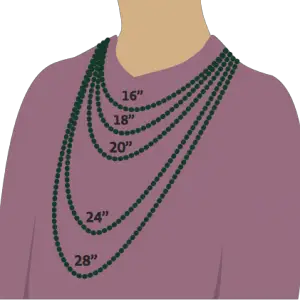
Jewelry Lengths
Necklaces 12-15″ – Choker 18″ – Princess 24″ – Matinee 30-36″ – Opera Anklets 9-11″ – Womens Bracelets 7-9″ Womens 9-11″ Mens
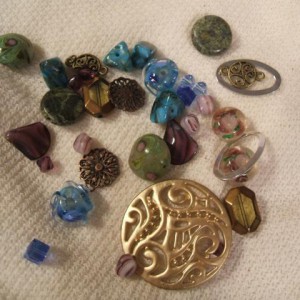
Recycling Old Jewelry Into New Pieces
Do you have a bunch of jewelry you never wear cluttering up your jewelry box? Time to get out your pliers and retrieve some beads to put to better use!
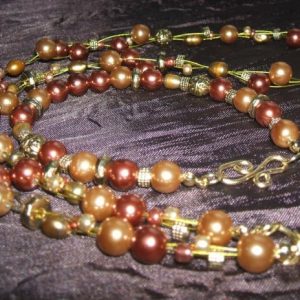
How to Upcycle Plain or Boring Jewelry
Jewelry is never set in stone–here’s how to disassemble and reassemble jewelry into something very different, and much more “you”.
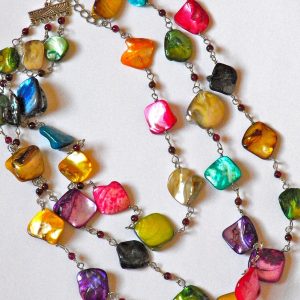
Making Friends With Color in Jewelry Design
Color is one of the most impactful elements of design. It can also seem scary and mysterious–here are some tips to help you make friends with color.
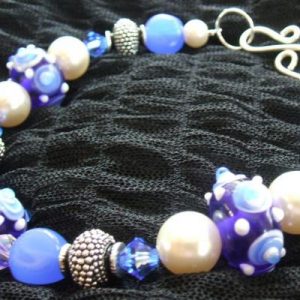
Choosing Beads That Work Together
Color and texture are the main components of great jewelry design. Here is how to choose colors and textures of beads that complement each other and come together in a truly great piece of jewelry.
Step-by-Step Jewelry Making Projects
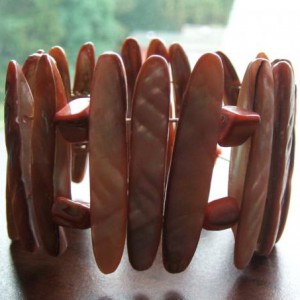
Shell Memory Wire Bracelet
Summer is fleeting fast, but it’s not too late to create wonderful summer jewelry like this shell bracelet, and few things are easier than memory wire. Let’s get started! Supplies Tools chain nose pliers round nose pliers wire cutters Materials shell pieces memory wire Instructions The trick with this bracelet is you’ll be threading the […]
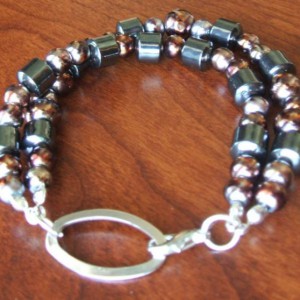
Oval Hematite Bead Bracelet
Note: I’m using Hematine here, which is a synthetic equivalent of Hematite and virtually identical. Either will work for this project. I used the word Hematite in the title because it is a much more common word for both materials. This classy double-stranded bracelet is an easy to wear, year round favorite. It won’t take […]
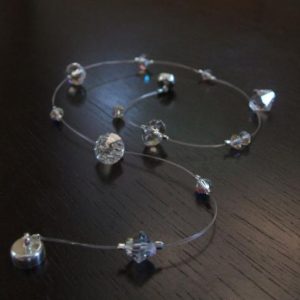
Floating Illusion Bracelet
This is a fun way to create sparkle without using color–which means it goes with everything!
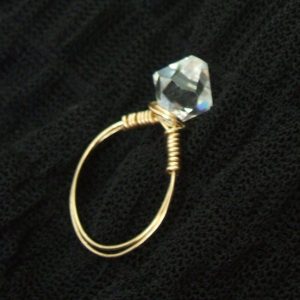
Make a Wire-Wrapped Ring
This ring is fast and easy, with very few tools needed.
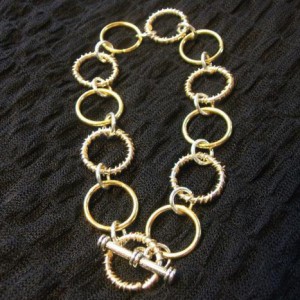
Two Tone Wire Wrapped Jump Ring Bracelet
This is a classy bracelet you can make with just jump rings and wire!
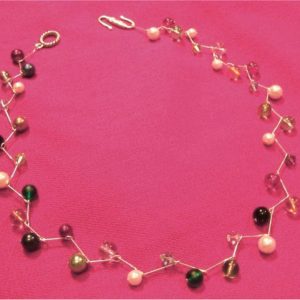
Jagged Little Necklace
This super-simple necklace is easy to make, and fun to wear!
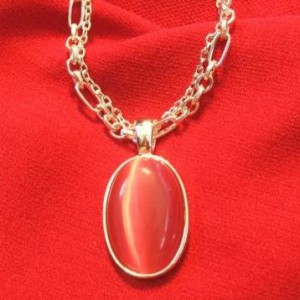
Double Chain and Pendant Necklace
Like chain? Here’s an easy project that adds life to ordinary chain.
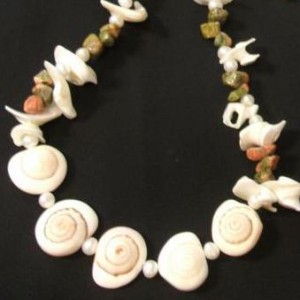
Jamaican Shell Set
Explore color, texture, and contrast with this beaded shell necklace and earring tutorial. The necklace is strung using beading wire, and earrings use hoops with spots to attach dangles.
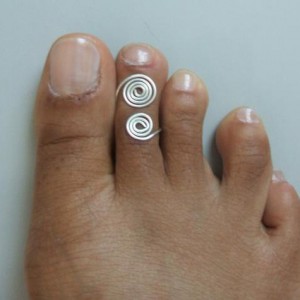
Wire Wrapped Toe Ring
With summer sandals, toe rings let you show off a little bit of your creativity! Here’s a fun and basic design to get you started.
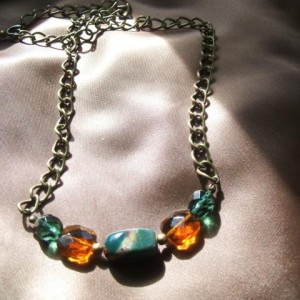
Easy Chain Necklace
This sophisticated necklace and matching earrings have classic appeal for those who enjoy more understated accessories. And it’s very easy to create!
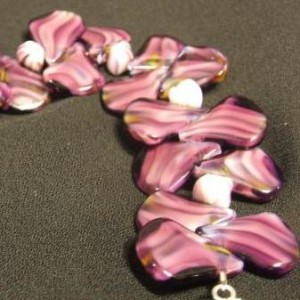
Easy Triangle-Bead Bracelet
This unique bracelet is a simple beading project that’s a little artsy and loaded with style.
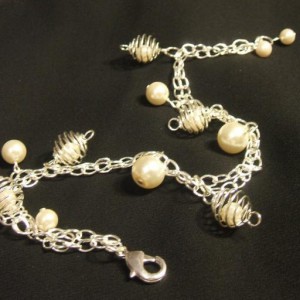
Summer Pearls Anklet
Nothing says warm weather jewelry like anklets and toe rings. This simple beaded pearl anklet in white and silver is easy to make and will pair well with many outfits. Supplies Tools chain nose pliers round nose pliers wire cutters Materials silver chain jump rings headpins 6, 8, and 10mm glass pearls spiral bead cages lobster claw clasp Techniques How […]
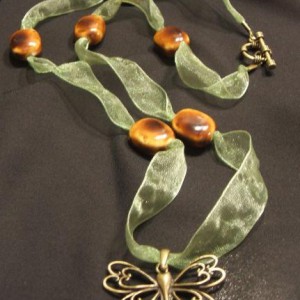
Easy Ribbon Necklace
This necklace is a breeze to make!
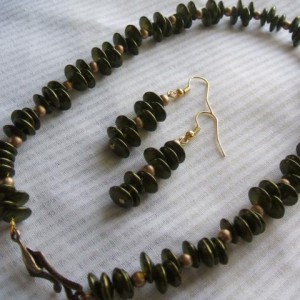
Easy Offset Bead Necklace & Earring Set
This is a simple project that calls for very basic skills; you’ll only need a good dose of patience for stringing these wonderful little beads.
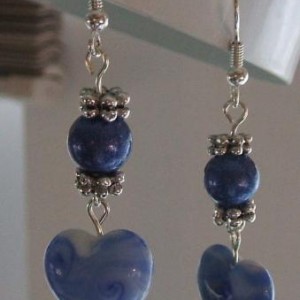
Blue Skies Earrings
Blue is just a great color — versatile and cheery, and hard to grow tired of. I knew at once when I spotted these heart-shaped glass beads that they’d make great earrings. Supplies Tools chain nose pliers round nose pliers wire cutters Materials 2 earwires 4 eyepins 4 flat spacer beads 2 round glass beads 2 […]
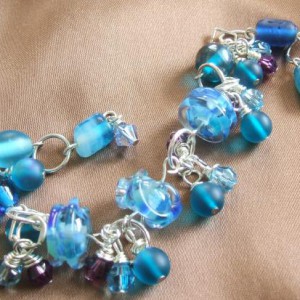
How to Make a Cluster Bracelet
A variation of the classic charm bracelet, this style is fun and has a lot of movement to it. It looks complex, but it uses the same basic wire-wrapping skills of our other projects.
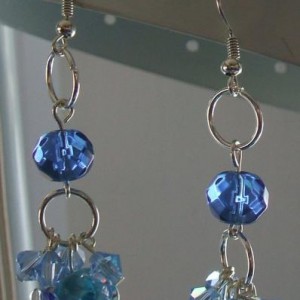
Ocean Breeze Crystal Earrings
These cool and breezy earrings are a warm weather delight you’re sure to enjoy all year round, and they’re as simple to make as they are pretty! Supplies Tools chain nose pliers round nose pliers wire cutters Materials two earwires four 10mm jump rings four eyepins eight headpins two blue faceted glass beads two turquoise […]
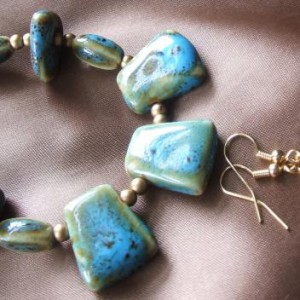
Chunky Bracelet and Earring Set
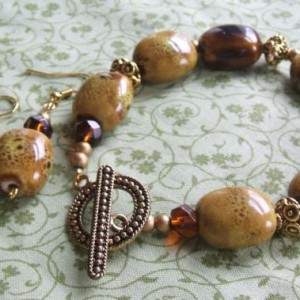
Artsy meets sophisticated in this simple but unique bracelet and earring set. Supplies Tools chain nose pliers round nose pliers wire cutters crimping pliers Materials beading wire crimp beads toggle clasp small gold-colored round glass beads ceramic beads in 2 or 3 shapes and sizes gold earwires gold eyepins Instructions With this set, placement of […]
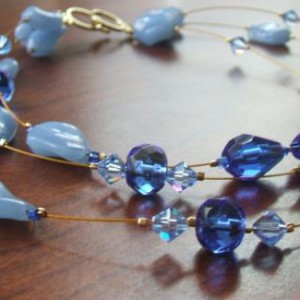
Three Strand Floating Illusion Necklace
Make a three-strand floating illusion necklace using crimp beads and a few tools.
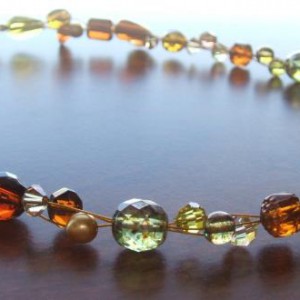
Variable Strand Necklace
This necklace has three strands that weave in and out of the beads at irregular intervals, creating an interesting bohemian look.
Wire Wrapped Rings Necklace
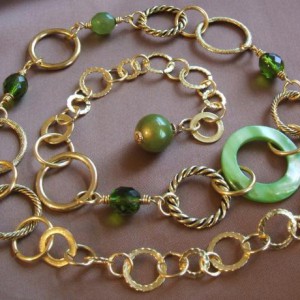
This is a simple project with a lovely result! The key to this design is to keep certain dimensions the same–the color of the jump rings, the color of the beads–and varying other dimensions–the size and style of the jump rings, the size and style of the beads.
How to Make Easy Drop Earrings
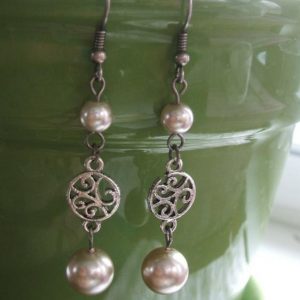
Earrings make a great project for beginners because they are easy and give instant satisfaction. This tutorial shows step by step how to create simple drop earrings with a few beads and tools.
Senegal Sunset Necklace
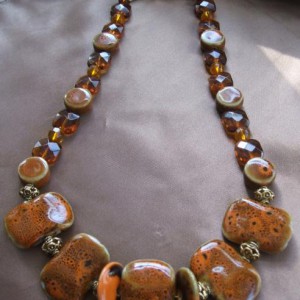
If you have an eye for color and a taste for the bold (yet classic!) you’re going to love this necklace. Supplies Tools chain nose pliers crimping pliers wire cutters Materials gold beading wire gold hook clasp crimp beads gold spacers amber faceted glass beads round orange glass beads orange and brown speckled ceramic beads […]
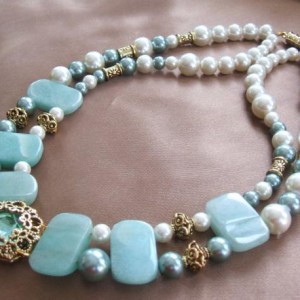
Double-Stranded Necklace
Learn how to make a parallel double-stranded necklace using beading wire.
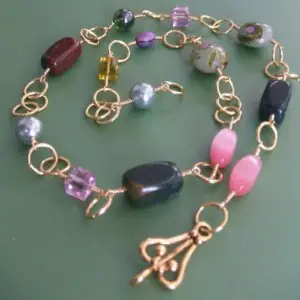
Simple Wire Wrapped Bead Necklace
This necklaces uses basic wire-wrapping techniques, and is the perfect way to show off a unique collection of beads. If you want to dive into wire, this is a great place to start.
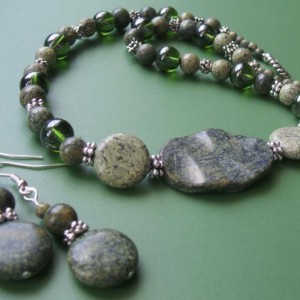
Moss Jasper Necklace Set
This set is easy to create, is subtly classic, but sure to grab attention, too.
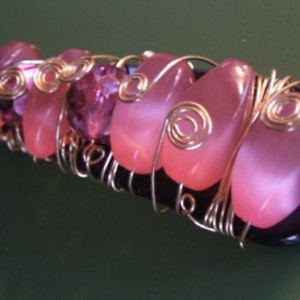
Wire Wrapped Beaded Hair Clip
This hairclip uses similar techniques as our wire wrapped earrings. It also makes a fun (supervised) project for kids.
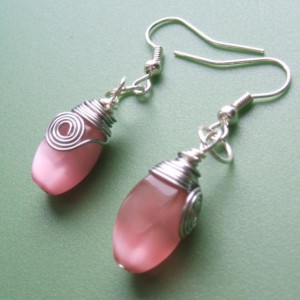
Simple Wire Wrapped Earrings
Want to get started with wire? This is a simple project with only a few supplies needed – just gather a few pretty beads, headpins, wire, then grab your tools and get started.
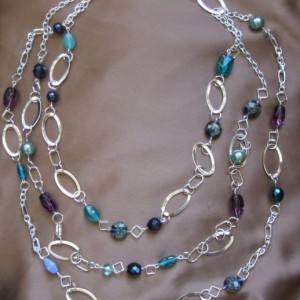
Triple Layered Chain Beaded Necklace
This stylish and colorful three-chain necklace is put together using simple techniques. With a little patience and good bead selection, you’ll be proud to say you made this piece!
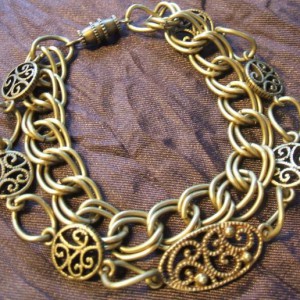
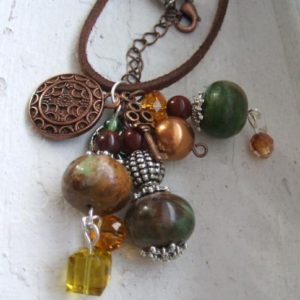
Eclectic and Earthy Leather Necklace
Eclectic meets earthy in this easy to make funky necklace.
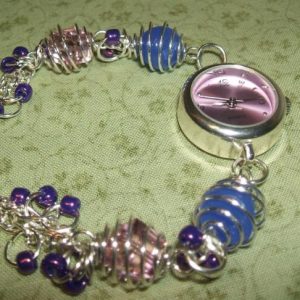
Beaded Watch Bracelet Jewelry Project
Beaded watch bands are a fun and easy DIY jewelry project. Follow our step by step instructions to make your own custom watchband using beads.
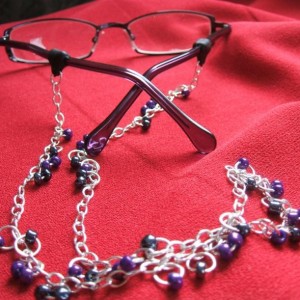
Beaded Chain Eyeglass Holder
This is an easy and useful project that will jazz up your glasses while keeping them from getting lost.